In a high-stakes military operation that has shaken global diplomacy, U.S. forces captured Venezuelan President Nicolás Maduro early Saturday and brought him to the United States to face federal criminal charges, U.S. officials and international outlets confirm.
The operation, code-named Operation Absolute Resolve, began in the pre-dawn hours of January 3, 2026, when the U.S. military conducted coordinated strikes on key locations in Caracas, Venezuela’s capital. Shortly afterward, President Donald J. Trump announced that Maduro — alongside his wife, Cilia Flores — had been seized and transported out of Venezuela. The couple was flown to New York City to face charges in federal court. Wikipedia+1
U.S. Attorney General Pamela Bondi confirmed that Maduro faces multiple counts, including narco-terrorism conspiracy and cocaine importation conspiracy, in connection with a long-running investigation alleging his involvement with international drug trafficking networks. Flores also faces related charges. Wikipedia
On Monday in a Manhattan federal courtroom, Maduro pleaded not guilty, insisting he remains the constitutionally elected leader of Venezuela and describing his removal as an illegal “capture.” He told the court, “I was captured… I am innocent. I am not guilty.” Flores likewise pleaded not guilty. AP News+1
The sudden seizure of a sitting head of state by U.S. forces is unprecedented in recent history and has sparked fierce debate at home and abroad. Supporters of the action argue it targets a leader accused of corruption and drug trafficking that has impacted the United States. Critics — including international legal experts and governments across Latin America and Europe — call the operation a violation of international law and Venezuelan sovereignty. Al Jazeera+1
Political Fallout and Response
Venezuela’s Vice President Delcy Rodríguez was swiftly sworn in as interim president following Maduro’s removal, though she and Maduro’s supporters have rejected the U.S. action, insisting Maduro remains Venezuela’s legitimate leader. Rodríguez declared a period of national mourning for security forces killed during the operation. Reuters
The U.N. Security Council convened an emergency session to address the crisis, with Secretary-General António Guterres warning that unilateral military interventions risk destabilizing international norms. Several countries, including Spain, Mexico and Denmark, publicly criticized the U.S. action. Al Jazeera
Domestically, senior U.S. lawmakers from both parties are debating whether proper oversight was followed and how the military action will shape future U.S. foreign policy. Some lawmakers have called for resolutions clarifying war powers; others applaud the removal of a leader long accused of authoritarian rule and corruption. The Guardian
Human Cost and Aftermath
Casualty figures from the operation vary. U.S. officials initially reported a number of Venezuelan and allied security forces killed and several U.S. service members wounded. Venezuelan authorities have also reported civilian deaths in the clashes that erupted during the raid. The Washington Post
As Maduro’s trial proceeds in the Southern District of New York, the world watches closely: the case tests the boundaries of international law, sovereign immunity, and U.S. interventionist policy in the Western Hemisphere.
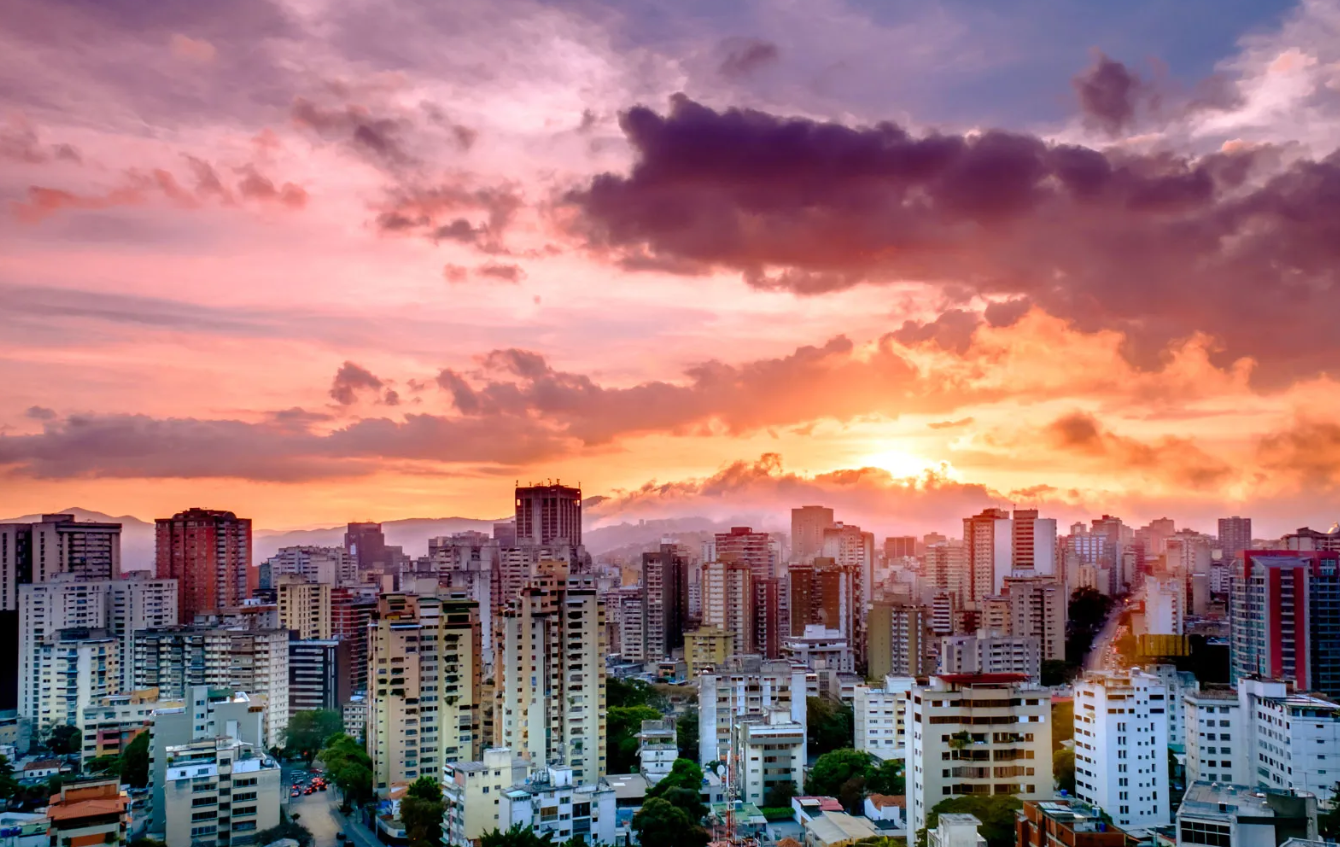
Image by: © Douglas Olivares/Dreamstime.com